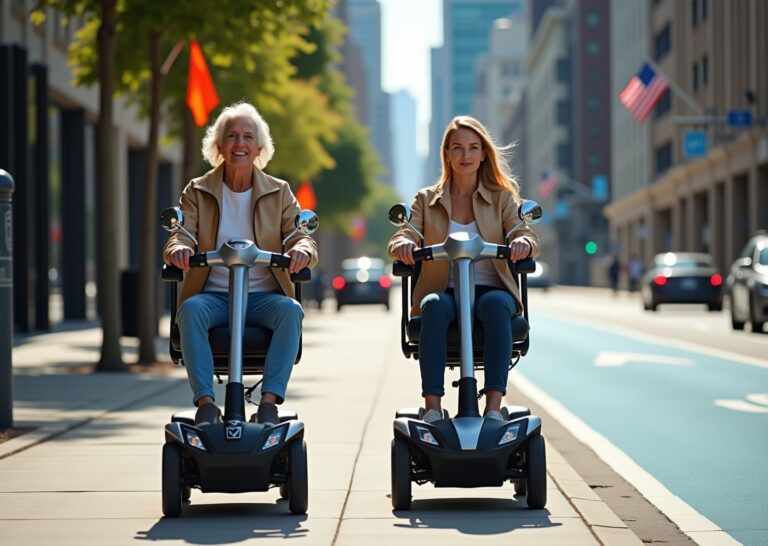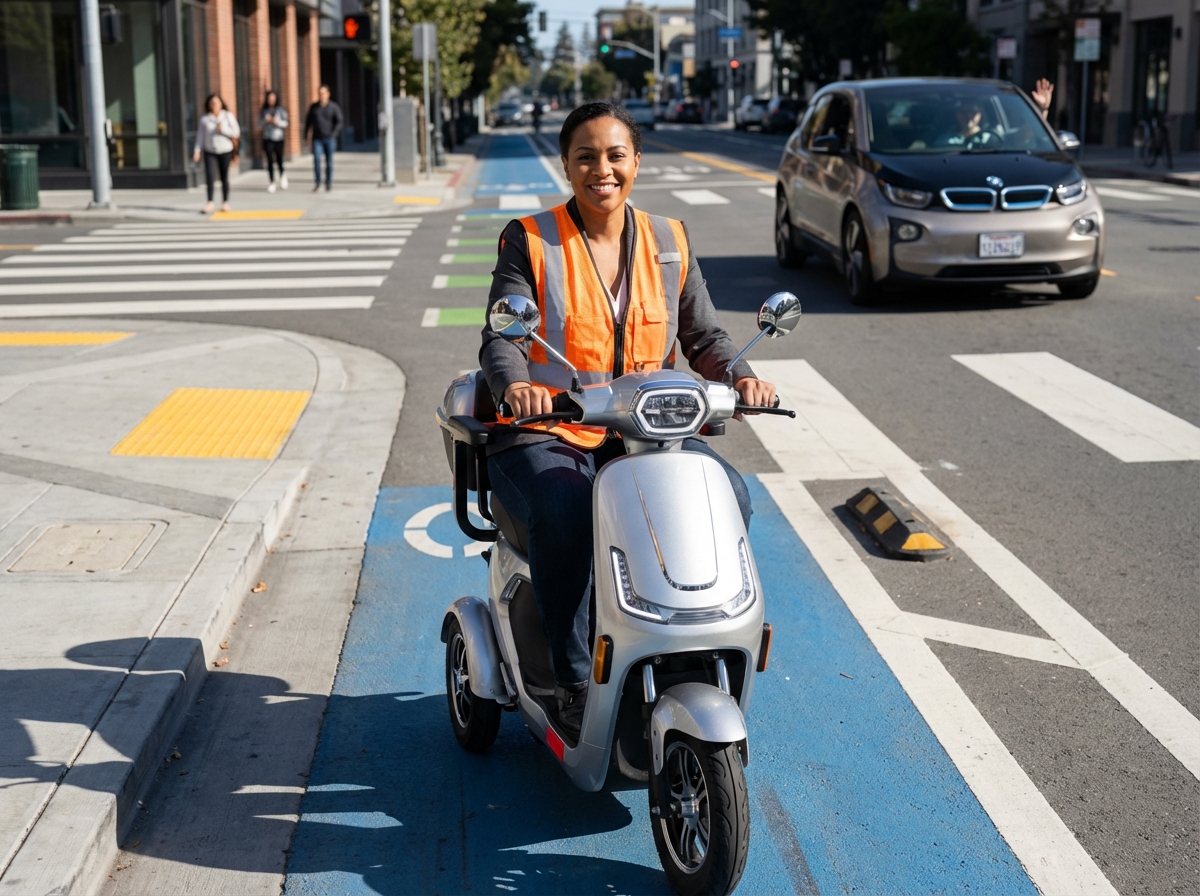
Mobility scooters offer independence, but where you can legally ride them varies across the USA. This article explains how mobility scooters are classified, the road and sidewalk rules you must consider, safety equipment and techniques, plus battery and maintenance best practices so you can choose, ride, and care for a scooter with confidence and comply with local law.
Understanding Mobility Scooter Types and Legal Classifications
The variety of mobility scooters available in late 2025 is broader than ever. Choosing the right model depends on where you plan to ride. Small travel scooters are the most common choice for many. These models often fold or disassemble for transport in a car trunk. They typically feature a top speed of 4 miles per hour. Their motor wattage is low, usually staying under 250 watts. Because they are slow and compact, they are almost always classified as pedestrian aids. You can use them in malls or on sidewalks without much legal trouble.
Technical Features and Their Legal Impact
Motor Wattage and Speed
The power of your scooter motor often dictates its legal standing. A motor with 250 watts to 500 watts is standard for sidewalk use. If a scooter has a motor exceeding 750 watts, it might be capable of higher speeds. Some heavy duty models reach 10 or 15 miles per hour. When a device moves faster than a brisk walking pace, local police might classify it differently. High speed scooters sometimes fall into a gray area between medical devices and motorized vehicles. You should check if your city has a specific speed cap for sidewalk use. Many towns set this limit at 5 or 6 miles per hour.
Weight Capacity and Dimensions
Heavy duty scooters are built for rugged terrain and higher weight limits. They often have a weight capacity of 500 pounds or more. These machines are wider and longer than travel models. Their overall dimensions matter for legal access. The Americans with Disabilities Act provides guidelines for door widths and ramp slopes. However, a very large scooter might not fit on a standard city bus lift. It might also struggle on narrow older sidewalks. Measuring your scooter width is vital. If it exceeds 30 inches, you may face challenges in tight public spaces.
Turning Radius and Stability
The choice between a 3 wheel and 4 wheel scooter affects maneuverability. 3 wheel scooters have a tight turning radius. This makes them ideal for indoor use and crowded sidewalks. 4 wheel scooters offer more stability on uneven ground. They are less likely to tip when navigating curb cuts. From a legal perspective, 4 wheel models are often preferred for road crossings because they handle transitions between the street and sidewalk more safely. Stability is a key factor if you must briefly use a roadway where sidewalks are missing.
Legal Distinctions in the United States
It is important to understand how a mobility scooter differs from other electric devices. In the United States, these distinctions are not uniform across all states. A mobility scooter is generally viewed as a medical device for people with limited mobility. This is similar to a powered wheelchair. Both are usually allowed anywhere a pedestrian can go. This includes sidewalks and crosswalks. You can find more details on these general rules in this guide on Are Mobility Scooters Allowed on the Road in the US?
Electric bicycles are a different category. They often have pedals and can reach 20 miles per hour. They are usually restricted to bike lanes or roads. They are rarely allowed on sidewalks. Low speed vehicles or LSVs are another class. These look like golf carts but have safety features like windshields and seatbelts. LSVs require a VIN and a license plate. They are street legal on roads with speed limits up to 35 miles per hour. A standard mobility scooter does not meet LSV standards. It lacks the necessary crash safety ratings and registration. Attempting to drive a standard scooter in a traffic lane like an LSV can lead to fines.
Regulatory Elements for Mobility Vehicles
Regulators look at several factors when deciding where you can ride. Maximum speed is the most common metric. If your scooter can go 15 miles per hour, a city might require you to stay off the sidewalk. Lane restrictions are also common. Some cities allow scooters in bike lanes but forbid them on the main roadway. Lighting and signaling requirements often apply if you ride after dark. Even if your state does not require registration for a mobility scooter, local police might expect you to have reflectors and a front light. Some jurisdictions are considering registration or plates for high speed mobility devices to manage sidewalk congestion. You should stay informed about changes in your local vehicle code as 2026 approaches.
The Role of Federal and Local Law
The Americans with Disabilities Act or ADA is a federal law. It focuses on your right to access buildings and public programs. It ensures that businesses cannot ban your mobility scooter. However, the ADA does not set traffic rules. It does not give you a legal right to drive a scooter on a high speed highway. Traffic laws are handled at the state and local levels. This means a scooter that is legal on the sidewalks of one city might face different rules in the next town over. You must balance your ADA rights with local safety ordinances. For a deeper look at these complexities, you can read about Can You Drive a Mobility Scooter on the Road?
How to Determine Your Scooter Legal Status
You should not guess about the laws in your area. Start by checking the website of your state Department of Motor Vehicles. Look for sections on “other power-driven mobility devices” or OPDMD. This is the term often used in official documents. Next, search your city municipal code portal. Look for the “Traffic” or “Pedestrian” chapters. Many cities have specific rules about the speed of motorized devices on sidewalks. You can also contact local mobility advocacy organizations. These groups often have summaries of local laws that are easier to read than legal codes.
Documenting Your Scooter Specs
When you ask officials for clarification, you should have your facts ready. Create a small document with the following details.
- The make and model of the scooter.
- The maximum speed as stated by the manufacturer.
- The motor wattage.
- The total width and length in inches.
- The weight of the device without a rider.
Having this information helps a transit agency or city clerk give you an accurate answer. It shows that you are a responsible operator who cares about safety and compliance.
Practical Questions for Local Authorities
When you call the DMV or the local police non-emergency line, use clear language. You might ask if there is a maximum speed limit for mobility scooters on city sidewalks. Another good question is whether scooters are permitted in bike lanes when a sidewalk is blocked. Ask if there are specific lighting requirements for evening use. You should also ask if the city requires any form of permit for large heavy duty scooters. Getting these answers in writing or via email is a smart move. Keep a copy of the response with your scooter documentation. This can be helpful if you are ever stopped by an officer who is unfamiliar with mobility device rules.
While specifics vary, many cities follow similar patterns. Most require a white front light and a red rear reflector for any use after sunset. Some cities mandate a bell or horn to alert pedestrians. Maximum roadway speed limits for mobility vehicles are often very low. In places where road use is allowed, it is usually restricted to streets with a speed limit of 25 miles per hour or less. You can find more information on state specific variations in this article on The Ultimate Guide to U.S. Mobility Scooter Laws. Always confirm these details with your local precinct to ensure you are riding safely and legally.
Safety Rules Road Etiquette and Equipment Requirements
The Pre-Ride Safety Checklist
Before you turn the key or press the power button, a physical inspection of your machine is necessary. Start with the battery level. Ensure it has enough charge for your planned trip plus a twenty percent buffer for unexpected detours. Be aware that cold temperatures at night can significantly reduce your battery range, so plan accordingly. Check the tire pressure if your model uses pneumatic tires. Soft tires make the motor work harder and drain the battery faster. Look for cracks in the rubber or debris stuck in the tread. Test the tiller to make sure it moves freely. Check the seat lock to confirm it will not swivel while you are moving. Test the horn to ensure it is loud enough to alert others. If your scooter has a seatbelt, click it into place. Secure any canes, walkers, or oxygen tanks in their designated holders. Loose items can fall into the wheels or trip pedestrians. Always carry a charged mobile phone and a form of emergency identification. This ID should list your name, medical conditions, and emergency contact numbers. Storing this information in a clear pouch on the tiller makes it easy for first responders to find.
Defensive Riding on Sidewalks and Paths
Sidewalks are the safest place for most riders, but they require constant attention. Pedestrians always have the right of way. When you approach someone from behind, slow down to a walking pace. Give a short beep of your horn or use your voice to say you are passing on the left. Avoid weaving between people. Keep a predictable line of travel. Be especially careful around children and pets. They move suddenly and might not hear your electric motor. When using shared-use paths or bike lanes, stay to the far right. This allows faster cyclists to pass you safely. Maintain a speed that matches the flow of traffic around you. If the sidewalk is crowded, reduce your speed to match the slowest walker. Scan the ground twenty feet ahead for hazards like wet leaves, loose gravel, or ice. These surfaces reduce traction and increase your braking distance. If you must move from a sidewalk to a bike lane, use your mirrors to check for approaching riders. Signal your intent clearly with your hand or built-in indicators. You can find more details on where these vehicles are permitted in this guide on Are Mobility Scooters Allowed on the Road in the US?
Navigating Intersections and Driveways
Intersections are high-risk areas where most accidents occur. Drivers often look for larger vehicles and might miss a scooter at a lower height. Stop completely at every corner. Make eye contact with drivers before you enter the crosswalk. If a driver waves you through, proceed with caution but keep watching their wheels. Driveways are equally dangerous. Vehicles backing out have limited visibility. Watch for reverse lights or exhaust smoke. If you see a car moving, stop and wait for it to finish its maneuver. When crossing a multi-lane road, use the pedestrian signal. Do not try to beat the light. If the countdown has already started, wait for the next cycle. For very busy or complex intersections, it is often safer to dismount if you are able. You can walk the scooter across as a pedestrian. This makes you more visible and gives you better control in a crowded space. Always stay within the painted lines of the crosswalk. Cutting corners puts you in the path of turning vehicles.
Road Etiquette and Lane Positioning
If you must drive on a local street, stay as far to the right as possible. Avoid roads with speed limits over twenty-five miles per hour. Most states prohibit scooters on high-speed roads or highways. Check the Electric Mobility Scooter Laws 2025 to see specific speed restrictions in your area. Use your mirrors constantly to monitor traffic behind you. If a line of cars forms behind you, pull over at the first safe spot to let them pass. This reduces driver frustration and keeps you safer. Avoid sudden lane changes. If you need to turn left, use the box turn method. Cross the intersection to the far corner, stop, turn your scooter, and wait for the light to change in your new direction. This avoids crossing multiple lanes of moving traffic. Never use a mobile phone while the scooter is in motion. If you need to check a map, pull over to a complete stop in a safe area.
Essential Equipment for Visibility
Being seen is your best defense. Many scooters come with basic reflectors, but these are rarely enough for safety. Install a bright white LED headlight on the front. Use a red LED light on the rear. These should be visible from at least five hundred feet away. Add amber reflectors or reflective tape to the sides of the frame and the wheels. This helps drivers see your profile at night. Wear high-visibility clothing like a neon yellow or orange vest. A safety flag on a tall pole is highly recommended. It puts a visual marker at the eye level of truck and SUV drivers. Install a wide-angle rearview mirror on both sides of the tiller. This allows you to see behind you without twisting your body. If your scooter does not have turn signals, you can buy battery-operated ones that clip onto the seat or basket. A loud horn is better than a quiet bell for alerting distracted drivers. Keep all lights clean and replace batteries before they grow dim.
Handling Curb Cuts and Uneven Pavement
Curb cuts and ramps require a specific technique. Always approach a curb cut straight on. If you hit it at an angle, one wheel will climb before the other. This can cause the scooter to tip over. Keep your speed low but steady. Do not stop halfway up a ramp. If the pavement is uneven or cracked, slow down significantly. Large cracks can catch small front wheels and stop the scooter abruptly. Be careful on grass or dirt. These surfaces can be soft and might cause the wheels to spin or sink. If you encounter a steep incline, lean forward slightly to keep the center of gravity over the front wheels. On a decline, lean back and use the brakes gently. Avoid driving through deep puddles. Water can damage the electronics and the motor. If you must cross a wet patch, do it slowly and test your brakes immediately afterward to dry them out.
Interactions with Public Transit
Many buses and paratransit vehicles are equipped to carry mobility scooters. Before the bus arrives, make sure you are visible at the stop. When the ramp deploys, wait for the driver to signal you. Most agencies require you to back onto the bus or into the securement area. This takes practice. If you are not comfortable backing up, ask the driver for assistance. Once inside, turn off the scooter power. This prevents accidental movement if the tiller is bumped. Use the tie-down straps provided. These usually hook onto the frame of the scooter. Do not hook them to the wheels or the seat. If you use paratransit, call ahead to confirm the weight limit of their lift. Some heavy-duty scooters exceed the capacity of standard van lifts. Knowing your scooter’s weight and dimensions is vital for these interactions. You can find more about legal requirements on Is It Legal to Drive a Mobility Scooter on the Road?
Battery Safety and Air Travel
Lithium ion batteries are generally safe but they can be a fire hazard if they are damaged. You should only use the charger that came with your scooter. If you notice the battery getting very hot or swelling, stop using it immediately. Move the scooter away from flammable materials. For air travel, you must notify the airline at least 48 hours in advance. They will need to know the type of battery your scooter uses because some batteries are restricted for air travel. When flying, you will usually drive your scooter to the gate and then transfer to an aisle chair. The ground crew will stow your scooter in the cargo hold. It is a good idea to remove any loose parts like baskets or mirrors and take them into the cabin with you.
Insurance and Liability Considerations
While most states do not require insurance for mobility scooters, it is a smart investment. If you cause an accident or damage property, you could be held personally liable. Check your homeowners or renters insurance policy. Some policies cover mobility devices as personal property, but they might not cover liability while you are off your premises. You can purchase specific mobility scooter insurance. These policies often cover theft, accidental damage, and third-party liability. Keep a copy of your insurance card and the scooter’s registration or serial number in a waterproof compartment on the device. It is also wise to keep a brief medical summary there. This helps if you are involved in an incident and cannot speak for yourself. Understanding your local rules is the first step in managing liability, as explained in The Ultimate Guide to U.S. Mobility Scooter Laws [2024].
Planning Low-Risk Routes
The best way to stay safe is to avoid dangerous roads entirely. Use digital maps to find routes with dedicated bike lanes or wide sidewalks. Avoid roads with heavy truck traffic or high speed limits. Look for streets with frequent curb cuts and well-maintained pavement. Sometimes a longer route through a residential neighborhood is faster and safer than a direct route on a busy commercial street. Check for construction updates before you leave. A closed sidewalk can force you into the road unexpectedly. If you find a route that works well, stick to it. Familiarity with the terrain helps you anticipate hazards like hidden driveways or tricky intersections. Always have a backup plan in case a path is blocked. Knowing which local streets have the lowest traffic volume makes every trip less stressful.
Conclusions and Next Steps
Moving forward with a mobility scooter involves more than just turning a key. You have seen how the legal landscape shifts from one town to the next. Success depends on your ability to blend legal knowledge with practical safety habits. You must start by identifying exactly what kind of device you own. The federal government often views these as medical tools. Local police might see them differently if they go over a certain speed. This distinction determines if you belong on a sidewalk or near a curb. You should never assume the rules in a neighboring city are the same as yours. Small changes in municipal codes can lead to fines or safety risks. Your goal is to stay mobile while staying within the lines of the law.
Establishing a Maintenance Routine
A reliable scooter is a safe scooter. You should treat your device like a small car. It requires regular inspections to prevent breakdowns in the middle of a trip. Mechanical failures on a busy street can be dangerous. You should develop a weekly habit of checking the most critical parts. This routine keeps you moving and protects your investment. Use the following table as a guide for your regular checks.
| Component | Frequency | What to Check |
|---|---|---|
| Tire Pressure | Weekly | Look for soft tires or visible wear. Proper inflation saves battery life. |
| Brake Function | Daily | Test the brakes at a low speed before you leave your home. |
| Lights and Signals | Weekly | Ensure all LEDs are bright. Replace any bulbs that flicker. |
| Battery Terminals | Monthly | Check for corrosion or loose wires. Tighten any connections that feel wobbly. |
| Tire Treads | Monthly | Look for bald spots. Good grip is essential for wet sidewalks. |
Battery care is the most important part of maintenance. Most scooters use lead acid or lithium batteries. These have different needs. You should charge your battery after every outing. Do not let the power level drop to zero. This causes permanent damage to the cells. You should store your charger in a dry place. Avoid charging the scooter in extreme heat or freezing cold. If you notice the battery getting hot during a charge, stop immediately. This could be a sign of a failing cell. You should also check the age of your battery. Most last between two and three years. If you notice your range is dropping, it is time to look for a replacement. You can find more details on electric mobility scooter laws 2025 to see if battery safety standards have changed in your area.
Practical Training and Skill Building
Confidence comes from practice. You should not take your scooter into a busy area until you feel completely in control. Find a quiet parking lot or a flat park path. Practice making sharp turns at different speeds. You should know how much space you need to stop suddenly. Practice backing up using only your mirrors. This is a vital skill for getting out of tight spots in stores or on narrow sidewalks. You should also learn how to handle different surfaces. Grass, gravel, and wet pavement all feel different. Your scooter might slide on wet leaves or lose power on a steep hill. Knowing these limits prevents accidents.
If you feel nervous, you can seek out a mobility trainer. These experts specialize in helping people use their devices safely. They can teach you how to navigate curb cuts and how to cross busy intersections. They can also help you adjust your seat and controls for the best ergonomics. This prevents fatigue during long trips. You should also practice your route before you need to go somewhere important. Check for construction or broken sidewalks that might block your path. Having a backup route is always a good idea.
Documentation and Advocacy
You should keep a small folder in your scooter at all times containing your scooter manual, emergency contacts, doctor information, and a summary of local laws. If you have insurance for your scooter, keep the policy number there too. Many people choose to get liability insurance. This protects you if you accidentally hit someone or damage property. Some homeowners insurance policies cover scooters, but you must check the fine print. You might need a separate rider for full coverage.
Connecting with advocacy groups is a great way to stay informed. Organizations like the Assisted Living community or local disability rights groups provide updates on new laws. They also work to make cities more accessible. You can join these groups to meet other riders. They often share tips on the best routes and the most scooter friendly businesses in town. If you encounter a dangerous sidewalk or a lack of curb cuts, report it to your city council. Your voice helps make the world better for all mobility users.
Your independence is a valuable asset. By following these steps, you protect that independence. You stay safe by maintaining your equipment. You stay legal by knowing the rules. You stay confident by practicing your skills. Use these tools to explore your world with peace of mind. Every trip you take is a chance to show that mobility scooters are a vital part of a modern, accessible society. Stay visible. Stay informed. Keep moving forward with the confidence that you are doing everything right.
References
- Are Mobility Scooters Allowed on the Road in the US? — Scooters are generally prohibited on highways, freeways, or high-speed roads. 3. State-Specific Rules. California: Scooters can use roads with …
- Electric Mobility Scooter Laws 2025 – What Riders Must Know by State — E-scooters are permitted on roads and bike lanes with a speed limit of up to 15 mph. Sidewalk riding is restricted unless a local ordinance …
- Electric Scooter Laws in the U.S.: What to Know for 2025 — You can ride electric scooters legally as long as they operate at speeds under 15 mph and meet federal safety standards. No registration, helmet …
- Can You Drive a Mobility Scooter on the Road? – Blog — National Guidelines: Mobility Scooters Are Not Typically Road-Legal. In most U.S. states, mobility scooters are not classified as street-legal …
- The Ultimate Guide to U.S. Mobility Scooter Laws [2024]: Navigating th — Mobility scooters are usually not allowed on highway roads. If they are allowed on roads, they are usually limited to roads with a speed limit …
- Are Mobility Scooters Allowed on the Road? – Paiseec — Yes, in the United States, electric scooters are generally allowed on sidewalks, walkways, and local streets, but there are some important rules to follow.
- Is It Legal to Drive a Mobility Scooter on the Road? | AssistedLiving.org — In most cities in the United States, it's illegal to drive a mobility scooter on the road. Laws regarding the use of mobility scooters are typically developed …
- Road Rules For Mobility Scooters | Mobility in Motion — A class 3 mobility scooter cannot be driven on motorways, bus lanes or 'cycle-only' lanes, and we do not recommend taking them on to dual carriageways with a …
- Legal Guide: Can You Drive an Enclosed Mobility Scooter? — In general, enclosed mobility scooters are legal to use under federal law, but the specifics can vary depending on where you live.
EMPTY