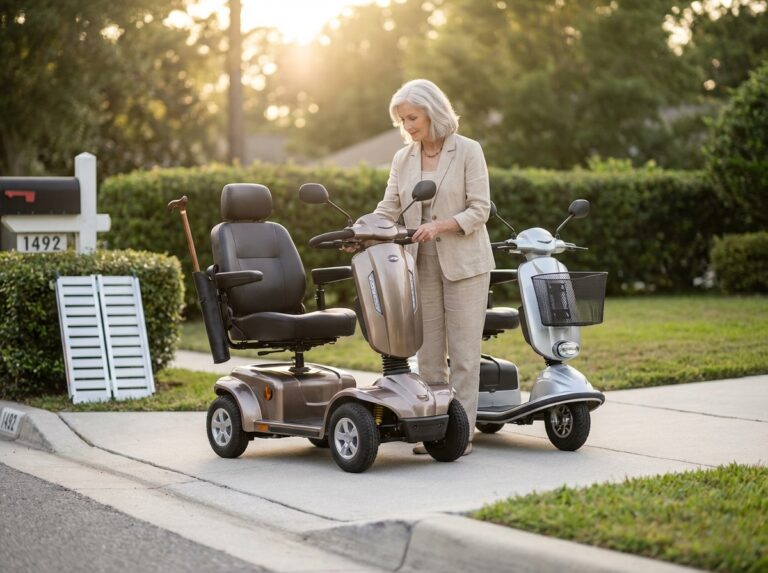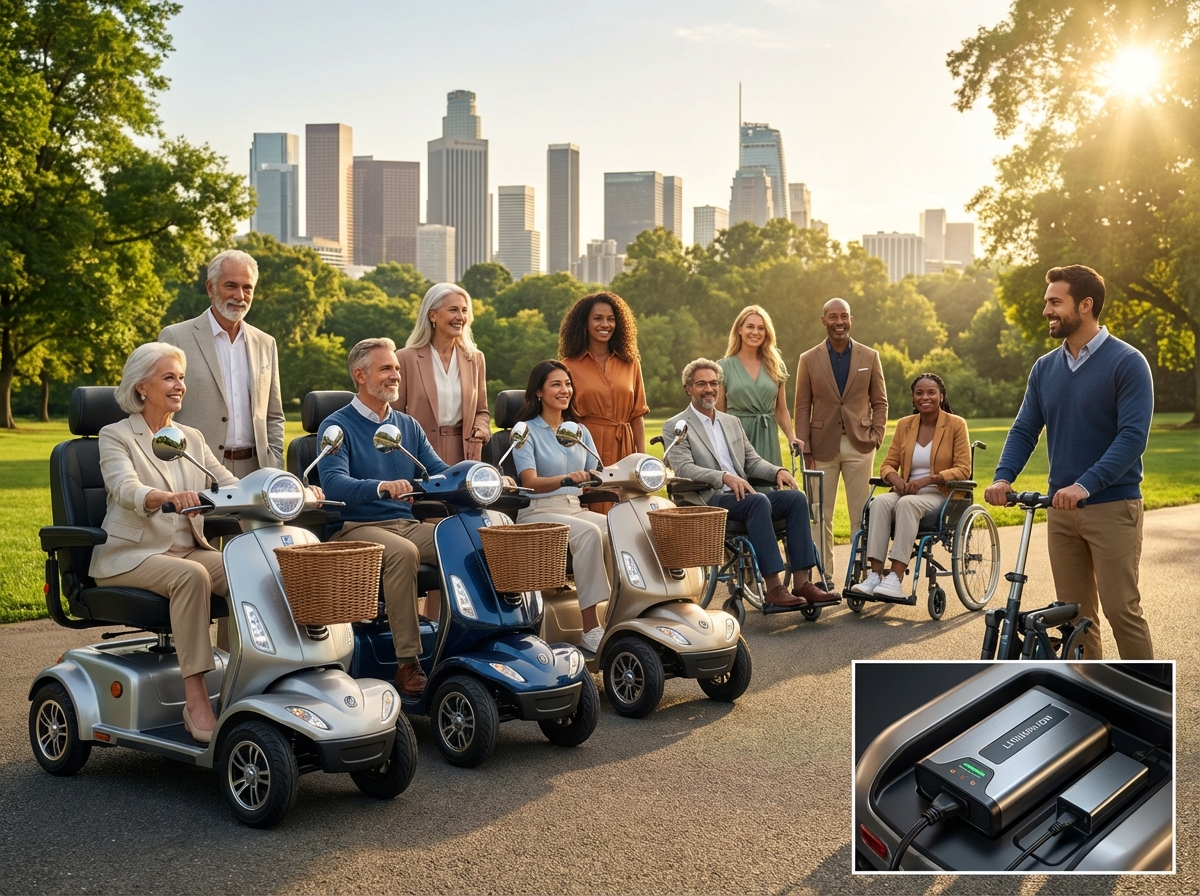
Choosing the right mobility scooter in 2025 means balancing comfort, range, safety, and modern features. This guide explores the top models of 2025, how to select the right type for your needs, up-to-date U.S. safety and road rules, battery care, maintenance checklists, and must-have accessories to help you make a confident, safe purchase.
Why choose a mobility scooter in 2025
The mobility landscape in the United States has reached a turning point in late 2025. We see more people using electric scooters in grocery stores, parks, and airports than in previous years. This shift is occurring because the technology has finally caught up with user requirements. Modern scooters are no longer just heavy pieces of medical equipment; they have become lifestyle tools that help people maintain their social lives and run errands independently.
Demographic Trends and Market Growth
The American population is aging, but this generation of seniors prioritizes active living. People are looking for ways to navigate large spaces like shopping centers or museums efficiently. Many users do not consider themselves disabled in a traditional sense; they simply need a boost to handle long distances. This has led to a surge in consumer options and a much larger network of local dealers across the country. According to recent industry reports, the variety of models available in 2025 has expanded significantly compared to five years ago, allowing you to find a device that fits your specific body type and lifestyle.
Advances in Battery and Motor Technology
Battery technology represents the most significant technical shift this year. Lithium-ion batteries have replaced lead-acid units in many travel and premium models. These batteries are lighter, charge faster, and last for more years before needing replacement. A scooter that used to weigh one hundred pounds might now weigh sixty pounds because of these improvements, making a massive difference for someone trying to load a scooter into a car trunk. Motor technology has also evolved; brushless motors are now standard. They are quieter and more efficient, meaning you get more miles out of a single charge. You can find scooters that travel twenty or thirty miles on one charge now, a capability that was rare just a few years ago.
Portability and Lightweight Materials
Manufacturers are using carbon fiber and aircraft-grade aluminum to keep weights down. Many of the Top 10 Electric Mobility Scooters in 2025 feature frames that fold in seconds. Some models even fold automatically with a remote control. This portability has opened up travel for many Americans. You can take these scooters on cruise ships or through TSA checkpoints at the airport without the stress of handling a bulky machine. The focus in 2025 is on making the transition from a vehicle to the sidewalk as smooth as possible.
Smart Features and Connectivity
Smart features are another reason people are upgrading in 2025. Many new models come with digital dashboards that resemble small tablets, displaying speed, battery level, and local temperature. Some brands offer app connectivity, allowing you to check battery health on your phone or lock the scooter remotely to prevent theft. GPS tracking is becoming a standard safety feature for high-end outdoor models, giving families peace of mind if a loved one is out on a long ride. These digital tools help users plan their trips better by showing exactly how much range is left based on the terrain.
Mapping Rider Needs to Scooter Capabilities
Riders have different needs based on their environment. Some people need a small three-wheel scooter for tight turns inside an apartment, while others need a heavy-duty four-wheel model with high ground clearance to handle gravel paths or uneven sidewalks in suburban neighborhoods. In 2025, we see a clear split in the market between indoor-focused travel models and rugged outdoor vehicles. If you live in a city with good public transit, a lightweight folding model is usually the best bet. If you live in a rural area, you might look for a model with full suspension and larger tires to handle grass or dirt.
Deciding Between a Scooter and Alternatives
Choosing the right device requires analyzing your physical abilities and daily routine. A manual wheelchair requires significant upper body strength. A powerchair is ideal for people who need to stay in the chair all day and have limited hand movement. A walker or a knee walker is better for very short distances or temporary injuries. A mobility scooter sits in the middle; it is perfect for someone who can walk short distances but needs help with curb-to-curb errands or long days out. Disability advocacy groups suggest that scooters provide a psychological boost because they feel more like a vehicle than a medical device, helping many users feel more confident in public.
Market Signals and Pricing in 2025
The market is full of choices now, ranging from ultra-light folding models to rugged all-terrain vehicles. Prices in the US generally range from about $900 for basic travel models to over $5,000 for high-performance outdoor scooters. Rental networks have also expanded, allowing people to try a model for a weekend before committing to a purchase. Many dealers now offer mobile service vans that come to your home for repairs, making owning a scooter much easier than in the past. When reviewing options, consider your primary environment to find a balance between portability and comfort.
Types and key specs to compare
Understanding Scooter Categories
Choosing the right mobility scooter in late 2025 requires a clear understanding of the four primary categories available on the U.S. market. Each type serves a specific lifestyle need. Portable travel scooters are designed for people who frequently use a car or fly. These models often feature a lightweight frame that disassembles into several manageable pieces. Some newer 2025 models use a folding mechanism that operates with a remote control. These scooters are ideal for flat surfaces like shopping malls or paved walkways. They usually have smaller wheels and a tighter seating area to keep the weight low.
Mid-size scooters offer a balance between comfort and portability. They are larger than travel models but can still navigate most indoor spaces. These scooters provide better padding in the seat and often include basic suspension systems to handle uneven sidewalks. Many users find these to be the best choice for neighborhood errands or trips to the park. They offer a higher weight capacity than travel versions, which makes them more stable for daily use.
Full-size or heavy-duty scooters are built for maximum durability. These models are much larger and usually require a specialized vehicle lift for transport. They feature high-back captain chairs with headrests. The weight capacity on these machines often reaches 500 pounds. They are designed for all-day use and contain larger batteries that support much longer distances. These are the preferred choice for users who rely on their scooter as their primary mode of transportation outdoors.
All-terrain specialty scooters are the most robust option. They feature large pneumatic tires with deep treads and high ground clearance to move over grass, gravel, or dirt paths. They use powerful motors to climb steep hills. While they are the most expensive, they provide the most freedom for users who live in rural areas or enjoy being in nature. You can find more details on these categories in the Top 10 Electric Mobility Scooters in 2025 guide.
Technical Specifications to Compare
Battery Type and Range
The battery is the heart of the scooter. In 2025, lithium-ion batteries have become the standard for high-end and travel models due to their light weight and fast charging capabilities. They also last for more charge cycles before needing replacement. Lead-acid (AGM or Gel) batteries are still found in budget and heavy-duty models. They are heavy but keep the initial purchase price lower. Range per charge varies significantly; a travel scooter might cover 10 miles, while a full-size model with a large battery pack can reach 35 miles. Always check the manufacturer spec sheets for real-world range estimates rather than just laboratory numbers.
Weight Capacity and Transportability
You must ensure the scooter can safely support your weight. Most travel models handle up to 250 or 300 pounds, while heavy-duty models go much higher. Transportability often correlates inversely with stability. A scooter that disassembles into five pieces is easy to put in a trunk, with the heaviest piece potentially weighing only 30 pounds. A folding scooter might weigh 60 pounds as a single unit. You need to consider if you or a caregiver can lift these components. If the scooter is too heavy, you might need to invest in a vehicle ramp or a hitch-mounted lift.
Speed and Motor Power
Most mobility scooters have a top speed of 4 or 5 miles per hour, which is a brisk walking pace. Some outdoor models can reach 10 or 15 miles per hour. Higher speeds are useful for long distances on bike paths. Motor power is measured in watts; a higher wattage motor helps the scooter maintain speed when going up an incline or driving over soft ground like thick carpet or grass.
Ergonomics and Maneuverability
Turning Radius and Ground Clearance
The turning radius determines how easily you can move in tight spaces. Three-wheel scooters have a much smaller turning radius than four-wheel models, allowing them to turn around in narrow hallways. Four-wheel scooters offer more stability on uneven ground. Ground clearance is the distance between the bottom of the scooter and the floor. Travel scooters often have only 2 inches of clearance, making them prone to getting stuck on door thresholds. All-terrain models might have 5 inches of clearance to move over obstacles safely.
Suspension and Seat Comfort
Suspension systems use springs or shocks to absorb bumps, which is vital if you have back pain or joint issues. Travel scooters often lack suspension to save weight, whereas full-size models usually have full suspension on all wheels. Seat comfort is another priority; look for adjustable armrests and a swivel seat that makes it easier to get on and off the machine. Some seats offer lumbar support and adjustable heights. You can see how these features compare in The Best Mobility Scooters of 2025 reviews.
Control Types and Safety Features
The tiller is the steering column. A delta tiller has a wrap-around handle, allowing you to drive using only one hand or even just your thumbs, which is excellent for people with arthritis. Some modern scooters use a joystick similar to a power wheelchair. Safety features should include bright LED headlights, rear lights, and turn signals for evening use. Many 2025 models now include a digital dashboard that shows battery life and speed clearly.
Price Ranges and Warranty in 2025
Pricing for mobility scooters has stabilized in late 2025. Basic travel models start around $900. Mid-size scooters usually cost between $1,500 and $2,500. Full-size and all-terrain models can range from $3,500 to over $6,000. Lithium battery upgrades often add $500 to the base price. Warranty coverage is a critical factor; most reputable brands offer a lifetime warranty on the frame and a one or two-year warranty on the electronics and motor. Batteries often have a shorter warranty of six months to one year. Always verify if the manufacturer has a local service network for repairs. You can find current pricing trends at Top 10 Power Mobility Scooters for Fall 2025.
Prioritizing Specs Based on Your Needs
You should prioritize specs based on where you will use the scooter most. If you live in a small apartment, the turning radius is your most important spec, making a three-wheel model the likely best fit. If you plan to take the scooter on a cruise or a flight, look for airline-approved lithium batteries and a folding frame. For users who want to replace their car for local trips, range and seat comfort are the top priorities. There is always a tradeoff: a scooter with a long range will be heavier, while a very light scooter will have a smaller seat and less suspension. Identifying your primary environment will help you make the smartest choice.
Top 10 mobility scooters of 2025 with recommendations
Selecting a mobility scooter in late 2025 involves looking at significant improvements in battery efficiency and smart features. Manufacturers have moved toward lighter materials and better integration with mobile devices. This list represents the top options currently shipping in the United States based on reliability, performance, and user feedback.
1. Pride Mobility Go-Go Elite Traveller 2
This model remains a top choice for travel. It falls into the portable travel category. The MSRP sits around $1,450 with a street price near $1,199. It features a tight turning radius for indoor use and supports a weight capacity of 300 lbs. For transport, it disassembles into five lightweight pieces, with the heaviest piece weighing about 34 lbs. The 2025 model offers a lithium-ion battery option providing a 12-mile range and a top speed of 4 mph. It features a 2-year limited warranty on the frame. Pros include easy assembly and a stable four-wheel base. Cons are the lack of suspension and lower ground clearance. It is best for shoppers who need to navigate narrow store aisles. You can find more details on this model at Living Well Stores.
2. Drive Medical Scout 4
This is a budget-friendly travel scooter. The street price is often between $850 and $950. It uses standard lead-acid batteries with a 9-mile range. The top speed is 4.25 mph. It holds up to 300 lbs. It disassembles easily for trunk storage. The warranty covers the frame for a lifetime and electronics for 24 months. It features interchangeable color panels and flat-free tires. Pros include the low price point and simple controls. Cons are the shorter range and heavier battery box. It is best for budget-conscious users who only need a scooter for short trips to the park or local mall.
3. Golden Technologies Buzzaround Extreme
This is a mid-size scooter that offers more comfort. The street price is approximately $1,950. It uses two U1 batteries for an 18-mile range. The top speed is 5 mph. It has a weight capacity of 350 lbs. It still disassembles for transport but the pieces are heavier than travel models. It comes with a 1-year in-home service contract which is a huge plus. Standout features include full suspension and larger 9-inch tires. Pros are the smooth ride and high ground clearance. Cons include the larger turning radius. It is best for all-day outings at theme parks or outdoor festivals.
4. Afikim Afiscooter C4 Breeze
This is a premium full-size scooter. The MSRP is $4,600 with street prices around $4,200. It uses large deep-cycle batteries for a 25-mile range. The top speed is 9.3 mph. It supports 400 lbs. This model does not fold or disassemble; it requires a vehicle lift or a ramp. It has a 2-year parts and labor warranty. Standout features include an orthopedic rotatable seat and advanced shock absorbers. Pros include extreme comfort and durability. Cons are the high price and lack of portability. It is best for outdoor enthusiasts who live in communities with paved paths. More information on full-size options is available at Electric Wheelchairs USA.
5. Vermeiren Luggie Elite
This is a high-end folding travel scooter. The street price is about $2,600. It uses a lithium battery for an 11-mile range. The top speed is 4 mph. It holds 320 lbs. It folds into one piece like a suitcase. The warranty is 3 years on the frame. Standout features include the quick-fold frame and lightweight alloy construction. Pros include being airline approved and very easy to store. Cons are the high price and small wheels. It is best for frequent flyers and cruise ship travelers.
6. EWheels EW-36
This is an all-terrain specialty scooter. The street price is $2,400. It has a massive 45-mile range. The top speed is 13 mph. It supports 350 lbs. It is not portable. It features a 3-year limited warranty. Standout features include a digital dash and a large rear storage basket. Pros are the speed and long range. Cons include the three-wheel design which can feel less stable at high speeds. It is best for long-range commuting within a neighborhood.
7. EV Rider VitaXpress
This is a modern full-size scooter. The street price is $3,600. It offers a 25-mile range. The top speed is 7.5 mph. It holds 350 lbs. It does not disassemble. It features a 1-year warranty on electronics. Standout features include full LED lighting and a liquid crystal display. Pros include the stylish design and great suspension. Cons are the size and weight. It is best for users who want a mix of style and performance for outdoor use.
8. Glashow Mobility Scooter S3
This is a tech-forward travel scooter. The street price is $1,300. It has a 15-mile range. The top speed is 5 mph. It holds 300 lbs. It disassembles into four pieces. Standout features include a magnesium alloy frame and smartphone app integration for battery monitoring. Pros include the light weight and modern look. Cons are the newer brand name with fewer service centers. It is best for tech-savvy users. This model is highlighted in recent reviews at Reviewed.com.
9. Pride Jazzy 600 ES
This model is technically a power wheelchair, but it is often cross-shopped with scooters for indoor use. The street price is $3,900. It has a 16-mile range. The top speed is 4 mph. It holds 300 lbs. It does not disassemble. Standout features include Mid-Wheel 6 technology for a tiny turning radius. Pros include excellent indoor maneuverability. Cons are the lack of speed and portability. It is best for users who need to move through very tight home environments. Check out more on this at Next Level DME.
10. Merits Health S141 Pioneer
This is a heavy-duty mid-size scooter. The street price is $1,700. It has an 18-mile range. The top speed is 5 mph. It holds 400 lbs. It does not disassemble easily. Standout features include a high-back captain’s seat. Pros include the high weight capacity for a mid-size frame. Cons are the basic design. It is best for users who need extra support without the bulk of a full-size outdoor model.
| Model | Category | Range | Top Speed | Weight Capacity |
|---|---|---|---|---|
| Pride Go-Go Elite 2 | Travel | 12 miles | 4 mph | 300 lbs |
| Golden Buzzaround | Mid-size | 18 miles | 5 mph | 350 lbs |
| Afikim C4 Breeze | Full-size | 25 miles | 9.3 mph | 400 lbs |
| Vermeiren Luggie | Folding | 11 miles | 4 mph | 320 lbs |
| EWheels EW-36 | All-terrain | 45 miles | 13 mph | 350 lbs |
Buying Recommendations by User Profile
The Light Travel User: If you travel frequently by car or plane, focus on folding models. The Pride Go-Go Elite Traveller 2 is a reliable choice for portability. These models are designed to be disassembled in seconds without tools and fit easily into most trunks.
The Urban Errand Rider: For those who use their scooter as a primary vehicle for shopping, stability is key. A mid-size four-wheel scooter offers the best balance of maneuverability and storage capacity. Look for models with a large rear basket and a comfortable seat for longer outings in the city.
The Outdoor and Long-Range User: If you live in a rural area or enjoy long nature trails, you need a heavy-duty model. The Afikim Afiscooter C4 Breeze provides the suspension and power needed for rough terrain. These machines often have a range of 25 miles or more and can handle steeper inclines than travel models.
The Caregiver-Supported Buyer: When a caregiver is involved, look for features that make their job easier. Some scooters come with remote folding capabilities or lightweight components that are easy to lift. Models from Golden Technologies often include ergonomic designs that assist with transfers in and out of the seat.
Safety and U.S. road rules for scooter riders
Understanding the legal landscape for mobility scooters in the United States requires looking at both federal and local rules. The Americans with Disabilities Act (ADA) provides a foundation for your rights. Under federal guidance, mobility scooters are often classified as Other Power Driven Mobility Devices (OPDMD). This classification is different from traditional wheelchairs or powerchairs. Public entities must allow these devices in any areas where pedestrians are allowed to walk, including sidewalks, government buildings, and parks. However, the federal government does not set the specific traffic laws for these devices; those rules come from state statutes and local city codes.
Local Regulations and the DMV
You should always check with your state Department of Motor Vehicles or your local city hall. In most states, mobility scooters are treated as pedestrians, meaning you do not need a driver’s license, registration, or license plate to operate one. However, some states have specific speed limits for sidewalk use. For example, a city might require you to keep your speed under four miles per hour when you are on a crowded walkway. Some jurisdictions may require registration for certain types of high-speed scooters (over 10-15 mph), though this is rare for standard medical models. Knowing your local laws helps you avoid fines and ensures you are riding in the correct areas.
Sidewalk and Roadway Access
Sidewalks are the primary place for scooter use. You should stay on the sidewalk whenever one is available. If a sidewalk is blocked or missing, you may need to use the road. When you are on the road, you should stay as close to the curb as possible and travel in the same direction as traffic. Bike lanes are a complicated area for scooter riders; some cities allow scooters in bike lanes to keep them off the main road, while others strictly reserve bike lanes for bicycles. You must research the specific ordinances in your town to know where you belong. Always yield to people on foot, as pedestrians have the right of way in almost every situation.
Visibility and Safety Equipment
Being seen is the most important part of staying safe. Most manufacturers like those found in the list of top mobility scooter brands include basic reflectors, but these are often not enough for evening rides. You should consider adding bright LED lights to the front and back of your device. Safety flags are another great tool; they sit high on a pole so drivers can see you even if you are behind a parked car. Reflective vests or strips on your clothing can make a big difference. Helmets are not always required by law for scooter users, but they provide essential protection if you tip over or have a collision.
Safe Operation Techniques
Operating a scooter requires specific skills. You should practice turning in a quiet area before you go into traffic. Three-wheel scooters have a tighter turning radius but can be less stable; you must slow down significantly before you start a turn to prevent tipping. Braking is another area that needs attention. Many modern scooters use electromagnetic brakes that engage automatically when you release the throttle. You should know exactly how long it takes for your specific model to come to a full stop. When you are in pedestrian-heavy areas, keep your speed low, as sudden movements can startle walkers and lead to accidents.
Transporting and Securing Your Device
If you plan to take your scooter in a vehicle, you must secure it properly. Use tie-down straps that are rated for the weight of the scooter, attaching them to the frame rather than the seat or the tiller. If you use a hitch-mounted lift, make sure the scooter is covered to protect it from road debris. Air travel is protected by the Air Carrier Access Act, allowing you to check your scooter for free. However, if you have lithium batteries, you must adhere to FAA battery regulations, which typically limit individual lithium batteries to 300 Watt-hours. You must notify the airline at least 48 hours before your flight and carry the battery specifications to the gate.
Insurance and Liability
Insurance is a detail that many people overlook. Medicare Part B may cover a portion of the cost if a doctor certifies it is medically necessary for in-home use, but it rarely covers scooters intended only for outdoor convenience. You should check your homeowner or renter insurance policy, as many have exclusions for motorized vehicles. This means you might not be covered if your scooter is stolen or if you cause an accident. You may need to purchase a separate personal liability policy to protect your assets if you accidentally injure someone or damage property while riding.
Healthcare and Professional Advice
Before you start using a scooter, you should talk to a healthcare provider. A doctor or a physical therapist can evaluate your ability to operate the controls, check your vision and reaction time, and provide guidance on the best seating options to keep your posture correct. This is especially important if you plan to spend several hours a day on your scooter. They can help you decide if a scooter is the right choice or if a different mobility aid would be safer for your specific needs.
Essential Safety Accessories
Adding the right accessories can improve your experience. Rearview mirrors are very helpful, allowing you to see what is happening behind you without straining your neck. A horn or a bell is useful for alerting pedestrians that you are approaching. Some users find that a seat belt provides extra security when they are traveling over uneven ground. You can find many of these items when looking at the Top 10 Electric Mobility Scooters in 2025 to see which models come with these features as standard equipment.
Battery care charging and replacement best practices
The battery serves as the heart of your mobility device. Choosing the right technology impacts your daily freedom and your long-term maintenance costs. Most scooters in 2025 rely on three specific chemistries. Each one has distinct characteristics that affect performance and weight.
Understanding Battery Chemistries
Sealed Lead Acid Batteries
These batteries remain the most affordable option on the market. They are heavy and offer a lower energy density compared to modern alternatives. You will typically find them in budget models or large heavy-duty scooters where weight is not a primary concern. They usually provide between 200 and 300 full charge cycles. Their main advantage is the low initial purchase price, while the downside is their significant weight and shorter overall lifespan.
Absorbent Glass Mat (AGM) Batteries
This technology is a more durable version of lead-acid. The electrolyte is absorbed into a fiberglass mat, which makes the battery spill-proof. These units handle vibrations better than standard lead-acid cells. They are common in mid-range scooters because they are reliable and require zero maintenance. They share the same weight disadvantages as other lead-based options but offer slightly better longevity in varied temperatures.
Lithium-Ion Batteries
Lithium represents the premium choice for modern users. These batteries are incredibly light and offer a high energy density. A lithium battery can weigh 70 percent less than a lead-acid battery with the same capacity. They often last for 1,000 cycles or more. While the upfront cost is higher, the long lifespan often makes them cheaper over several years. Many travel scooters featured in the top 10 electric mobility scooters in 2025 use lithium to keep the total weight manageable for transport.
Charging Best Practices
Proper charging keeps your scooter reliable and prevents unexpected breakdowns. You should always use the specific charger that came with your device. Aftermarket chargers might have the wrong voltage or amperage, which can damage the internal cells or create a fire hazard. You should charge your battery after every trip regardless of how far you traveled. Modern smart chargers prevent overcharging by switching to a float mode once the battery is full.
Avoid letting your battery level drop to zero. Deeply discharging any battery chemistry shortens its functional life. If you use the scooter for a short trip to the mailbox, plug it in anyway. It is better to keep the battery topped off than to let it sit partially empty. You should avoid leaving the charger connected for weeks at a time without checking the device. Even with automatic shut-off features, it is safer to unplug the charger once the indicator light shows a full charge.
Storage and Temperature Management
Temperature affects how long your battery lasts and how well it performs. Extreme heat is the biggest enemy of lithium batteries because it causes the internal chemistry to break down. Cold weather reduces your range temporarily. If you store your scooter for the winter, keep the batteries in a climate-controlled room. For lead-acid batteries, you must store them fully charged, as they lose power over time even when the scooter is turned off. Lithium batteries are different because they prefer to be stored at about 50 percent capacity for long periods of inactivity.
Estimating Real World Range
Manufacturers test scooters on flat ground with a light rider in perfect weather. Your real-world range will likely be lower than the number on the box. Heavy loads reduce the distance you can travel significantly. Using accessories like headlights or charging your phone from the scooter port also drains the battery. If you weigh near the maximum capacity of the scooter, expect about 60 to 70 percent of the advertised range. Steep hills and rough grass will drain power much faster than flat pavement. You should track your typical usage for a week to understand your specific range limits.
Signs of a Failing Battery
You will know a battery is failing when the scooter feels sluggish or struggles on small inclines. The charge meter might drop quickly when you accelerate and then bounce back when you stop. This is a sign of high internal resistance. In 2025, a pair of lead-acid batteries costs between $100 and $300. Lithium packs are more expensive and can cost $500 or more depending on the capacity. You can buy original equipment manufacturer batteries from your dealer to ensure a perfect fit. Aftermarket batteries are often cheaper, but you must verify the dimensions and terminal types before purchasing.
Safe Disposal and Recycling
Never throw mobility batteries in the regular trash. Lead and lithium are hazardous materials that can cause environmental damage or fires in garbage trucks. Use programs like Call2Recycle to find a local drop-off location. Many hardware stores and hazardous waste programs accept these batteries for free. You should check your manufacturer manual for specific recycling instructions. Proper disposal ensures that valuable metals are recovered and kept out of landfills.
Maintenance troubleshooting and seasonal care
Maintaining a mobility scooter in 2025 requires a proactive approach to ensure safety and longevity. Modern scooters are more advanced than older models, but they still rely on basic mechanical and electrical health. A consistent schedule prevents small issues from turning into expensive repairs. Owners should follow a tiered inspection plan to keep their equipment running smoothly throughout the year.
Periodic Maintenance Checklist
Daily Checks
Perform a quick visual inspection before every trip. Check the battery indicator to ensure a full charge. Test the horn and the front lights. Ensure the tiller adjustment is tight. Look at the tires for any visible punctures or debris stuck in the tread. Verify that the seat is locked in the forward position.
Weekly Tasks
Check the tire pressure using a manual gauge if your scooter has pneumatic tires. Low pressure increases the strain on the motor. Wipe down the frame with a damp cloth to remove dust. Check the upholstery for tears. Test the brakes on a flat surface to ensure the scooter stops immediately when you release the throttle.
Monthly Inspections
Inspect the battery terminals for any signs of corrosion or white powder. Tighten the terminal connections if they feel loose. Check all visible fasteners and bolts on the seat frame. Inspect the armrests for stability. Look at the underside of the scooter for any loose wires or hanging components. Clean the battery charger connectors with a dry cloth.
Annual Professional Service
Schedule a comprehensive checkup with a technician once a year. They will inspect the motor brushes and the transaxle. They can also check the electronic controller for any stored error codes. A professional can test the battery health using a load tester to predict when a replacement might be necessary. This is especially important for high-performance models found in the Top 10 Electric Mobility Scooters in 2025 list.
Troubleshooting Common Problems
Scooter Will Not Start
Check the freewheel lever first. This lever allows the scooter to be pushed manually. The motor will not engage if the lever is in the pushed or neutral position. Ensure the key is fully inserted. Check if the battery charger is still plugged into the wall or the scooter. Most models have a safety feature that prevents operation while charging. If the scooter beeps or flashes a light code, count the sequence. This code usually points to a specific electrical fault in the manual.
Reduced Driving Range
Check the tire pressure. Soft tires create more friction and drain the battery faster. If the tires are firm, the battery may be losing its capacity to hold a charge. Cold weather also reduces range significantly. Ensure you are not carrying excess weight in the storage baskets. If the range drops suddenly, a single battery cell might have failed.
Strange Noises or Steering Stiffness
Squeaking often indicates a need for lubrication on moving parts like the seat post or tiller hinge. Grinding noises from the rear usually mean a problem with the motor or the transaxle. You should stop using the scooter if you hear metal-on-metal sounds. Stiffness in the steering can be caused by a loose tiller knob or debris caught in the front wheel assembly. Do not force the steering if it feels blocked.
Tools and Spare Parts
Keep a small maintenance kit in your storage compartment. This should include an adjustable wrench and a set of screwdrivers. A tire pressure gauge is essential for pneumatic models. You should also keep a spare set of fuses if your model uses them. Carry a small bottle of mild soap for cleaning. Keep the contact information for your service provider in your wallet or saved in your phone.
Service Costs and Warranty
Labor rates for mobility scooter repair in 2025 typically range from $90 to $150 per hour. A standard annual tune-up costs between $100 and $200 plus parts. Authorized service centers are the best choice for repairs because they have direct access to manufacturer parts. Using an independent shop might be cheaper for basic mechanical work, but you must ensure they do not void your warranty. Always use genuine replacement parts for the controller and the motor to maintain the safety standards of the vehicle.
Winter Storage and Cold Weather Care
Cold temperatures are hard on battery chemistry. If you live in a region with freezing winters, store your scooter in a climate-controlled area. Never leave the battery at zero charge in the cold, as this can cause permanent damage. If you must drive in the winter, avoid deep slush. Road salt is highly corrosive to the metal frame and the electrical wiring. Wipe the underside of the scooter after every trip on salted sidewalks. If you store the scooter for the season, charge the battery at least once a month to keep the cells active.
Final thoughts and buying checklist
Selecting the right mobility scooter in late 2025 involves more than just picking a popular brand. The market has changed significantly this year with the widespread adoption of lithium-ion technology and smarter safety sensors. You should view this purchase as a long-term investment in your independence. A scooter that fits your neighbor might not fit your specific physical needs or the terrain around your home. It is important to look past the aesthetic design and focus on the mechanical specifications that will impact your daily life.
The 2025 Mobility Scooter Buying Checklist
1. Assess daily use and terrain
Start by looking at where you will spend most of your time. If you live in an urban area with smooth sidewalks, a standard three-wheel model works well. If you plan to navigate gravel paths or grass in local parks, you need a four-wheel model with high ground clearance. Measure the narrowest doorway in your home to ensure the scooter can pass through easily. You should also check the incline rating if you live in a hilly neighborhood.
2. Confirm weight capacity and seat fit
Always choose a scooter with a weight capacity that exceeds your body weight by at least 20 percent. This prevents the motor from straining and extends the life of the battery. Seat width is equally important for long-term comfort. Many 2025 models offer adjustable captain seats with headrests. Ensure the seat height allows your feet to rest comfortably on the deck while your knees remain at a natural angle.
3. Set a realistic range requirement with margin
Manufacturers often list the maximum range based on a light rider on flat ground. In the real world, factors like hills, wind, and carrying groceries will drain the battery faster. If your typical daily trip is five miles, look for a scooter rated for at least ten miles. This provides a safety buffer so you never end up stranded with a dead battery.
4. Choose battery type and confirm charging options
Lithium batteries are the standard for 2025 because they are lighter and last for more charge cycles. However, sealed lead-acid batteries are still available and cost less upfront. If you plan to fly, verify that the battery is travel-certified. Check if the battery can be charged off-board. This allows you to leave the scooter in a garage or vehicle while charging the battery inside your home.
5. Test-drive preferred models
Nothing replaces the feeling of actually sitting on the machine. Visit a local dealer to test the throttle response and braking system. Some scooters use a delta tiller which is easier for people with limited hand dexterity. Make sure you can reach all controls without straining. Pay attention to the vibration levels when moving over different surfaces.
6. Check local service and parts availability
Even the best scooters need maintenance eventually. Confirm that there is a technician in your area who can service the specific brand you choose. Buying a cheap model online can become expensive if you have to ship it across the country for a simple repair. Ask the dealer if they keep common parts like tires and fuses in stock.
7. Compare warranty and return policies
A standard 2025 warranty should cover the frame for a lifetime and the electronics for at least one to two years. Battery warranties are usually shorter. Read the fine print regarding “wear and tear” items like tires and upholstery. Understand the return policy before you buy. Some retailers charge a restocking fee that can be as high as 20 percent.
8. Confirm safety features and accessories
Safety should be a priority. Look for models with bright LED headlights, turn signals, and rearview mirrors. An automatic braking system is essential for preventing accidents on slopes. Consider adding accessories like a front basket for shopping or a cane holder. Many users in 2025 are also opting for USB charging ports to keep their phones powered during long trips.
9. Verify legal and local rules for intended use
Rules for mobility scooters vary by state and city. Most areas treat them as pedestrians, meaning you should stay on the sidewalk. However, some high-speed models might have different restrictions. Check with your local DMV or city council if you plan to use the scooter on public roads. You do not usually need a license, but staying informed prevents fines.
10. Explore financing and rental options
The price of a quality scooter in 2025 ranges from $900 to over $5,000. If you have a medical necessity, Medicare or private insurance might cover part of the cost. Many dealers offer monthly payment plans. If you only need a scooter for a short recovery period, look into rental programs. This can save you thousands of dollars while giving you access to a high-end machine.
Building a relationship with a local dealer is the best way to ensure long-term satisfaction. They can provide hands-on training and help with future upgrades. Always keep your documentation in a safe place. This includes your warranty card, battery manuals, and a log of all maintenance performed. Regular check-ups will keep your scooter running smoothly for years to come.
References
- Top 10 Electric Mobility Scooters in 2025 – Next Level DME — 1. Pride Jazzy 600 ES · 2. Drive Medical Scout DLX · 3. Vermeiren Luggie Elite · 4. Invacare Mars · 5. Amigo HD Scooter · 6. EWheels EW-36 · 7. Golden …
- Top 10 Power Mobility Scooters for Fall, 2025 — Our Top 10 Power Mobility Scooters for Fall, 2025 · Drive Medical Scout 4 LT · Drive Medical Phoenix LT 4 · Pride Mobility GoGo Elite Traveller 2 …
- Best Full Size Mobility Scooters [2025] – Electric Wheelchairs USA — Our top recommendations include the AFIKIM Afiscooter C4 Breeze, Merits Health S141 Pioneer, and EV Rider VitaXpress, each offering unique features and …
- Best Mobility Scooters 2025 – WATCH THIS Before Buying – YouTube — In this video, I go over the Best Mobility Scooters for 2025. Check it out here 6. SuperHandy Passport Mobility Scooter …
- The BEST Mobility Scooters of 2025! – Top Picks for Comfort, Power … — … us at 800-677-6293 or visit www.marcsmobility.com for more details … 10:37. Go to channel · Top 5 BEST Travel Mobility Scooters in 2025 …
- TOP 15 BEST ELECTRIC MOBILITY SCOOTERS 2025 – YouTube — … us via private message or email. The content will be REMOVED within … TOP 10 ELECTRIC CABIN SCOOTERS THAT WILL BLOW YOUR MIND. Origin …
- What Are the Top Mobility Scooter Brands? | AssistedLiving.org — Pride Mobility, EV Rider and Drive Medical are three of the top mobility scooter brands in the world. EV Rider only sells mobility scooters and accessories, …
- The Best Mobility Scooters of 2025 – Reviewed — The Best Mobility Scooters of 2025 · Why trust Reviewed? · Glashow Mobility Scooter S3 · Pride Mobility Go Go Sport 4-Wheel · iLiving i3 · Shoprider …
EMPTY